


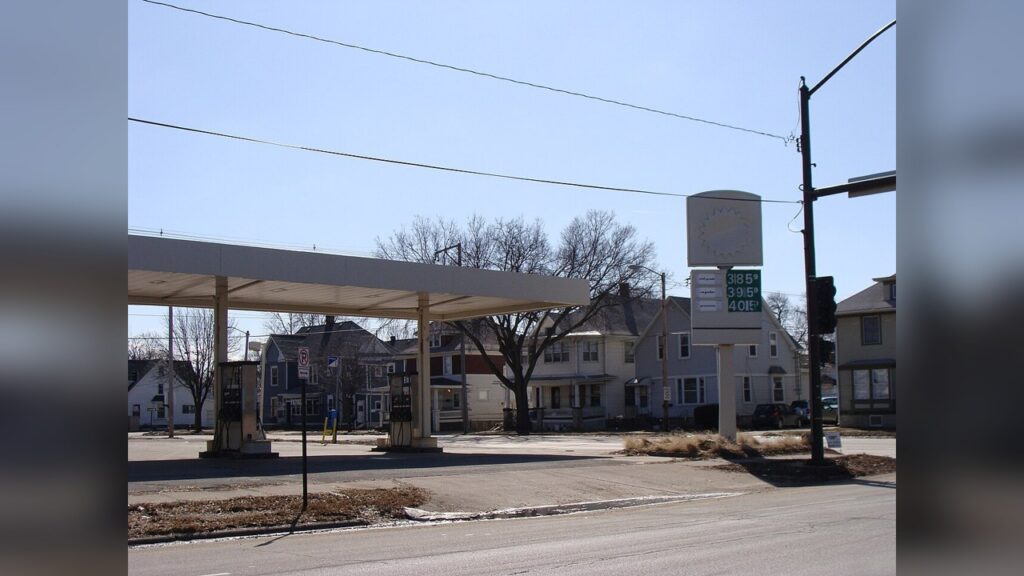
$4.15 a gallon. That is what working families are paying this Labor Day weekend, the highest price ever recorded for the holiday, smashing the old record of $3.82 set in 2012. A year ago, the average was $3.20. That is a 30 percent increase, and it is not an accident or a market hiccup. It is the direct, foreseeable cost of a war this country chose to start.
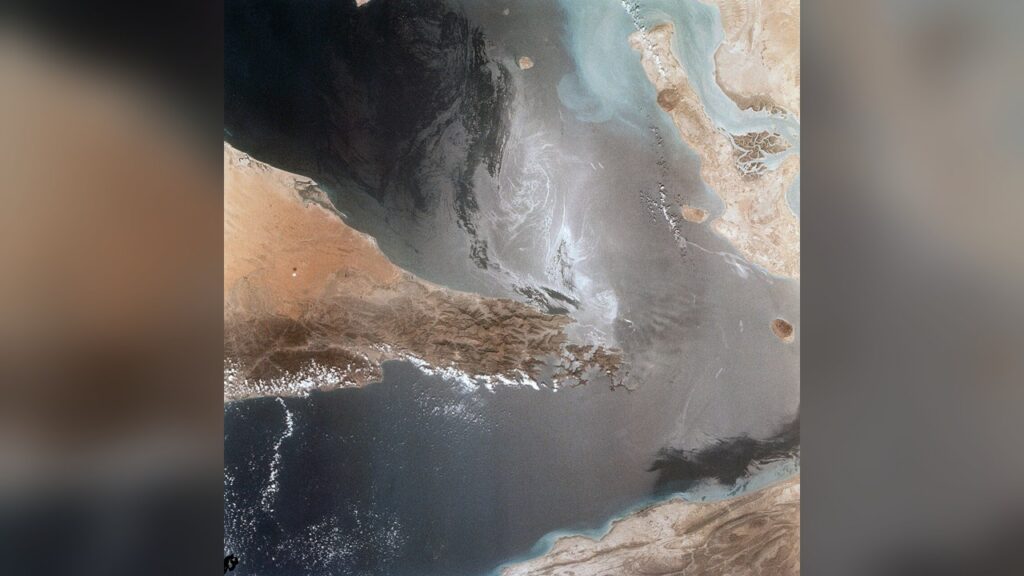
In February, the United States and Israel attacked Iran. The Strait of Hormuz, through which roughly 21.6 million barrels of crude oil flowed daily before the conflict, has been choked down to an estimated 4.9 million barrels. Iran has refused to reopen it. West Texas Intermediate crude has jumped from about $67 a barrel to $92. Brent has climbed from $72 to $97. Every cent of that increase is being passed straight to the pump, straight to the grocery store, straight to the delivery surcharge on the package you ordered.
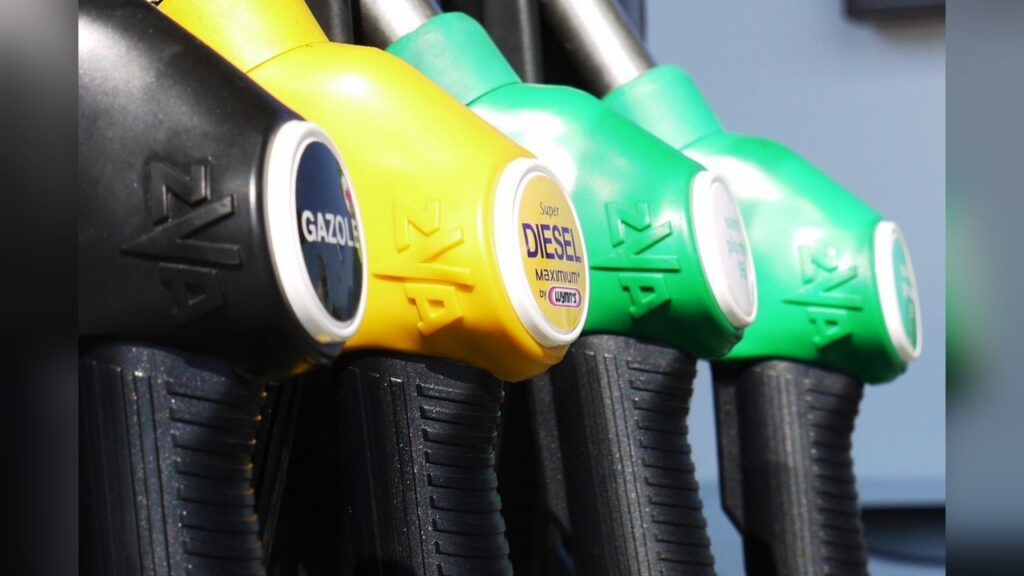
And diesel? A record $5.85 a gallon. The trucks that move food, medicine, and everything else across this country run on diesel. That cost does not vanish. It shows up in your receipt at the checkout line. It shows up in the family budget that no longer stretches to a weekend trip.
 RoumanetD / Pixabay
Nicole Collins, standing outside a gas station in Claymont, Delaware, where regular was $4.199, said what millions of people are feeling. Her family spent the summer close to home instead of taking the trips they used to take. “It doesn’t really seem like there’s an end to it,” she said. She has a baby. She is doing the math every time she turns the key.
Energy Secretary Chris Wright went on ABC’s “This Week” and offered the kind of response that should make every working person furious. “Yes, they’re higher today, but we’re doing everything we can to push them down,” he said. Everything they can. The Trump administration launched a war that severed one of the world’s most critical oil shipping lanes, and the man tasked with energy policy says they are doing everything they can. He pointed to futures prices that might, maybe, bring gasoline down 35 cents by November. A promise of maybe-relief, someday, from the same people who lit the fire.
The structural truth here is not complicated. An economy tethered to fossil fuels is an economy held hostage by every conflict, every refinery fire, every choked waterway. U.S. refineries are running at 98 percent capacity in brutal Texas heat. Ukrainian drone strikes have knocked Russian refineries offline. Chinese refiners are producing less. The system has no slack. It was never designed to have slack. It was designed to extract.
 NASA (Public domain) via Wikimedia Commons
The EPA moved up the sale of cheaper winter-blend gasoline to September 1, a band-aid on a hemorrhage. Winter blend might shave a few cents off. It will not reopen the Strait of Hormuz. It will not bring back the refineries that were bombed. It will not undo a war of choice.
Every dollar spent on a conflict that disrupts global oil supply is a dollar taken from a family’s grocery budget, a child’s school supplies, a worker’s commute. The people who launched this war will never stand at a pump in Claymont and do the math. The people who profit from $92-a-barrel crude will never skip a weekend trip.
The demand is not complicated. End the war. Divest from fossil fuels. Build the renewable infrastructure that makes this country immune to the next chokepoint, the next bombing, the next price spike. Every day we remain tethered to oil is a day working families pay for decisions made in rooms they will never enter.