

Washington, DC has the lowest speed limit in the United States: 55 miles per hour. On Sunday, 25 professional drivers tore through those same streets at 190 mph, and the man who made it happen rode a ceremonial lap in a fortified limousine called The Beast, waving like a king reviewing his troops.
The Freedom 250 Grand Prix, the first professional road race ever held in the capital, was Donald Trump’s idea of a birthday party for America. He signed an executive order alongside Roger Penske, the billionaire owner of Indianapolis Motor Speedway, and gave the Departments of Transportation and the Interior two weeks to figure out how to turn the National Mall into a race circuit. Two weeks. That is the same federal government that takes years to approve a bus lane.
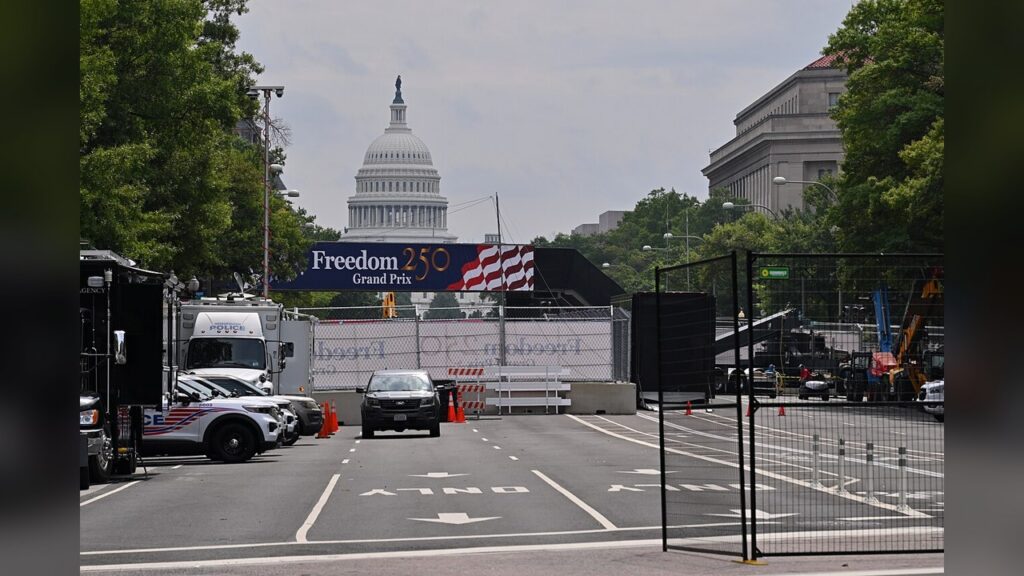
The route sent cars past the Washington Monument and the museums on the National Mall, with the Capitol building framed at the finish line. A new Air Force One and four F-35 fighter jets screamed overhead. It is quite a picture, if you can afford to look at it from anywhere but a traffic jam.
 Carol M. Highsmith (Public domain) via Wikimedia Commons
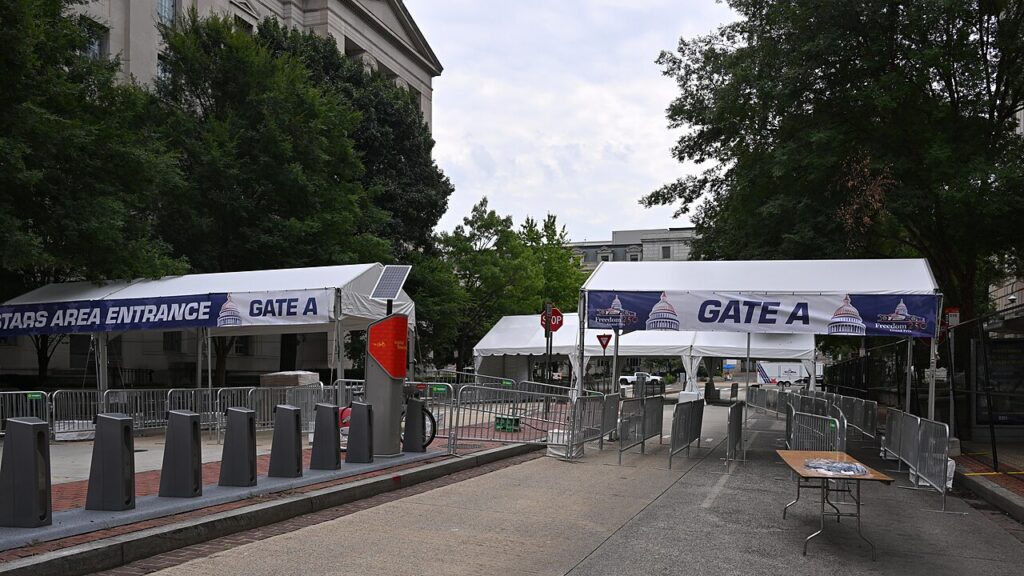
Because here is what the spectacle cost the people who actually live here. Widespread road closures across the district. Manholes bolted shut. Roads torn up and resurfaced for a single day’s entertainment. A three-hour airspace closure at Ronald Reagan Washington National Airport, which serves domestic flights, meaning thousands of travelers sat on tarmacs or rebooked their lives so four fighter jets could do a victory lap for a man who once complained about the cost of military exercises.
Organizers expected 140,000 attendees. Many received free general admission tickets through a lottery, which sounds democratic until you learn that premium packages sold for $5,000 a pair. So the public got a chance at a spot behind a barricade, and the people with five grand to burn got the actual experience. “Freedom, America. Speed. And road racing,” as Transportation Secretary Sean Duffy put it at the signing ceremony. He left out the part about who pays.
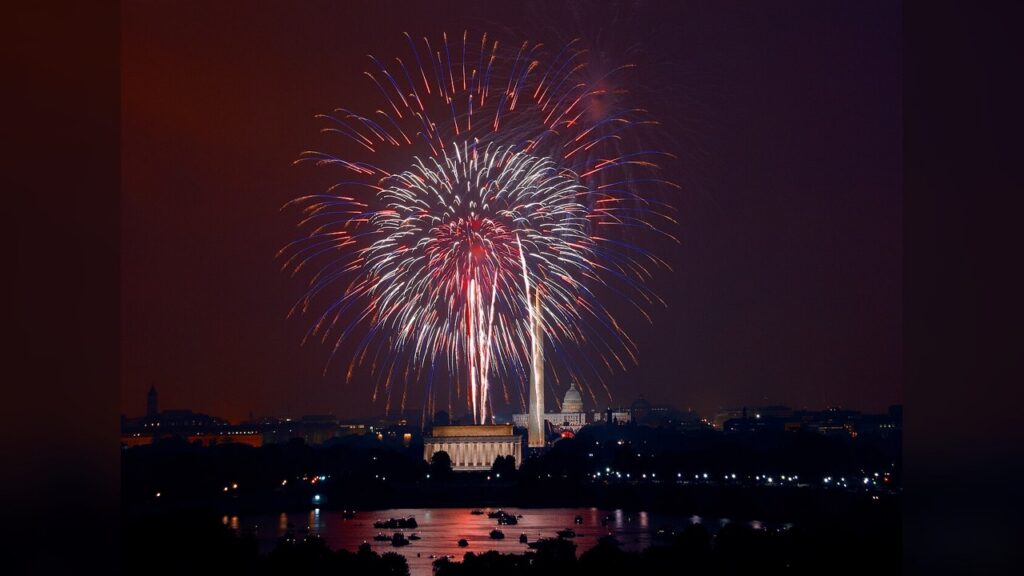
This is not an isolated event. It is a pattern. Earlier this summer, Trump hosted a UFC fight on the White House lawn. He staged a fireworks show on July 4. His domestic travel schedule has become a tour of sporting events, each one doubling as a photo opportunity funded by public resources and public disruption. The IndyCar race is just the most expensive and most disruptive installment in a series of spectacles designed to project personal power through public space.
 G. Edward Johnson (CC BY 4.0) via Wikimedia Commons
The structural problem is not that a president likes racing. The problem is that one man, with the stroke of a pen and the backing of a billionaire, can commandeer the streets of a city where he does not live, shut down its airport, close its roads, and redirect its infrastructure for a private celebration, and the 700,000 residents of Washington, DC, who have no voting representation in Congress, get no say in any of it. They got road closures. They got noise. They got a three-hour window where their airport stopped functioning.
Roger Penske lobbied Congress for years to authorize a road race in the capital and was repeatedly unsuccessful. So he found a president who would bypass Congress entirely with an executive order. That is not how public space should be allocated. That is how power works when no one is holding it accountable.
The residents of Washington, DC deserve a voice in what happens to their streets. They deserve representation that can push back when the federal government treats their city as a backdrop for a photo op. Statehood for DC is not an abstract constitutional debate. It is the difference between a community that can say no and one that just has to watch the cars go by.