


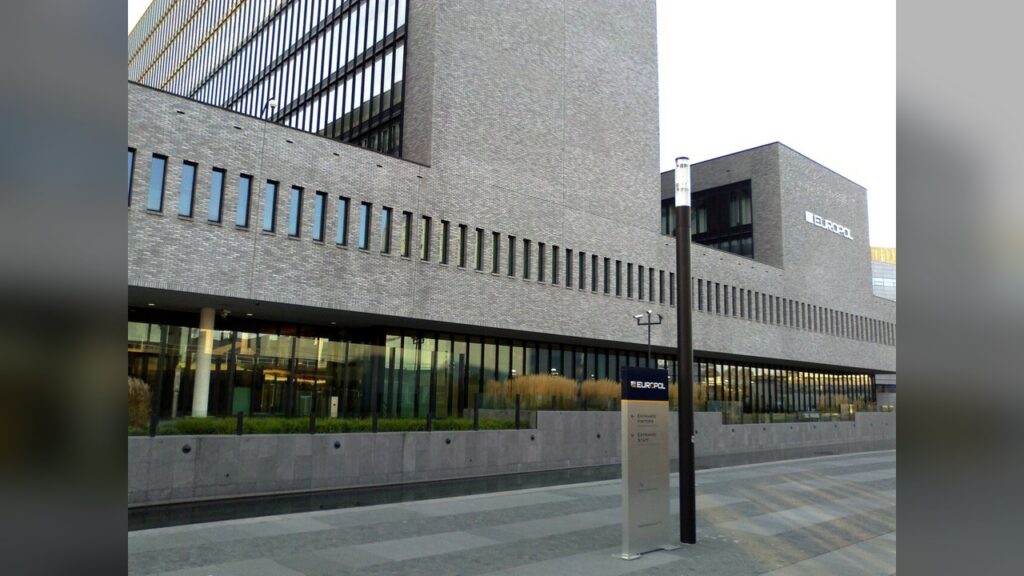
For over a year, the architects of Gaza’s destruction have moved through the world with impunity. Speeches at the UN, handshakes at summits, red carpets rolled out as though the rubble of Gaza were someone else’s problem. On Friday, that shield cracked. Turkish Justice Minister Akin Gurlek announced that Ankara is seeking Interpol Red Notices for Israeli Prime Minister Benjamin Netanyahu and an Israeli citizen, Afek Moskovitch, on charges of genocide, crimes against humanity, torture, hijacking, and aggravated robbery.
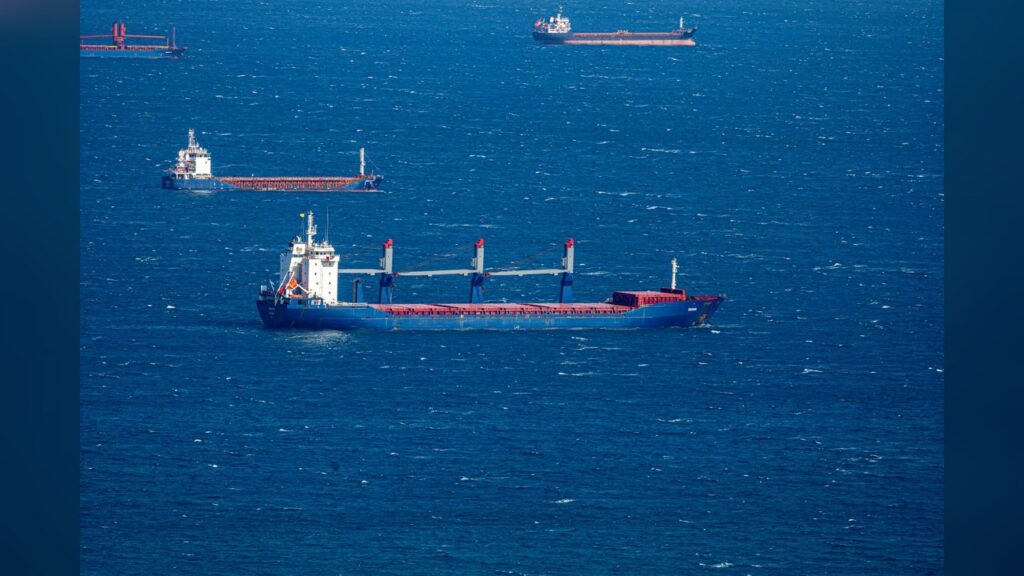
The case is rooted in a concrete, documented event. In May 2025, Israeli forces opened fire on vessels from the Global Sumud Flotilla in international waters, intercepting dozens of activists from more than 40 countries attempting to deliver humanitarian aid to besieged Gaza. Forty-eight Turkish citizens were among those detained. Activists reported physical and sexual violence during their imprisonment. Israel’s own National Security Minister, Itamar Ben-Gvir, posted a video of himself taunting activists who were on their knees, hands bound behind their backs. That is not a security operation. That is a spectacle of cruelty, broadcast by a government official who wanted the world to see it.
The Istanbul criminal court, case No. 2026/108, indicted Netanyahu and 34 others in April. Arrest warrants followed on July 14. Now Turkey has asked Interpol to circulate those warrants globally, meaning every one of Interpol’s 196 member states would receive a request to locate and provisionally detain Netanyahu pending extradition. France, Italy, and Australia have already launched their own judicial proceedings over the flotilla detention. The walls are not imaginary anymore.
 Regan Dsouza / Pexels
Netanyahu’s office responded the way it always responds when accountability knocks: by calling Turkish President Erdogan an “anti-Semitic dictator” and vowing to “act forcefully against Turkey’s attempts to destabilise the region.” Erdogan’s office fired back, denouncing Netanyahu’s “petty political tactics.” The name-calling is the point. When you cannot answer the charge of genocide, you change the subject to the person filing it. When you cannot explain why your soldiers fired on civilian vessels in international waters, you call the prosecutor a dictator. It is a familiar playbook, and it is wearing thin.
Let us be clear about what Interpol can and cannot do. A Red Notice is not a global arrest warrant. Member states are not legally obligated to act on it. Interpol reviews each request for compliance with its own rules. In 2014, Turkey sought Red Notices for four former Israeli military officials over the Mavi Marmara raid that killed 10 Turkish citizens. No one was arrested. The mechanism is imperfect. It can be slow, politicized, and selectively enforced.
But imperfection is not a reason to abandon the tool. It is a reason to sharpen it. The Global Sumud Flotilla was not an isolated incident. It was part of a pattern: naval blockade, interception in international waters, detention of civilians delivering aid, documented abuse in custody, and a government that films its own cruelty for domestic consumption. Turkey is not alone in pursuing accountability. Three other nations have opened proceedings. The question is whether the international community will treat these charges with the gravity they demand or whether Red Notices will gather dust the way they did in 2014.
What must happen now is sustained, coordinated pressure. Interpol must review Turkey’s request without political interference. Member states that receive a Red Notice must be willing to act on it, not quietly shelve it to preserve trade relationships. And the public, every community that has marched, organized, and demanded an end to the destruction of Gaza, must keep the pressure on. Impunity survives when people stop watching. The flotilla activists who were seized in international waters, bound, detained, and abused deserve more than outrage. They deserve a system that works. Turkey has taken a step. The rest of the world needs to follow.