



There is a concept in organizational sociology called “exit, voice, and loyalty,” and it may be the only framework adequate to what is happening at the Department of Justice right now. Albert Hirschman described it in 1970. When an institution degrades, its members face a choice: they can leave (exit), they can protest from within (voice), or they can stay and comply (loyalty). What we are watching, in the reporting from Andrew Weissmann and Sarah Longwell at The Bulwark, is a federal prosecutor corps choosing exit over complicity. That is not a personnel story. It is a structural failure story, and it is the kind of thing that political scientists will be studying for decades, assuming there are still political scientists permitted to study it.
The proximate facts are these. Career DOJ prosecutors wanted no part of dismissing a foreign bribery case involving a $10 billion investment offer. A federal judge, meanwhile, is questioning the administration’s stated reasons for trying to make that case disappear. Simultaneously, a congressional contempt referral against Dr. Anthony Fauci is headed to Trump’s DOJ, which is now run by people whose principal qualification appears to be prior service as the president’s personal defense counsel. Todd Blanche, Trump’s former lawyer, was confirmed to a senior DOJ post with the help of Senator Bill Cassidy, a physician who apparently learned nothing from the first Trump term about the cost of institutional complicity. And Trump and Robert F. Kennedy Jr. continue their assault on vaccine policy, because the administration’s approach to public health is now indistinguishable from its approach to law: expertise is an obstacle, loyalty is the only currency.
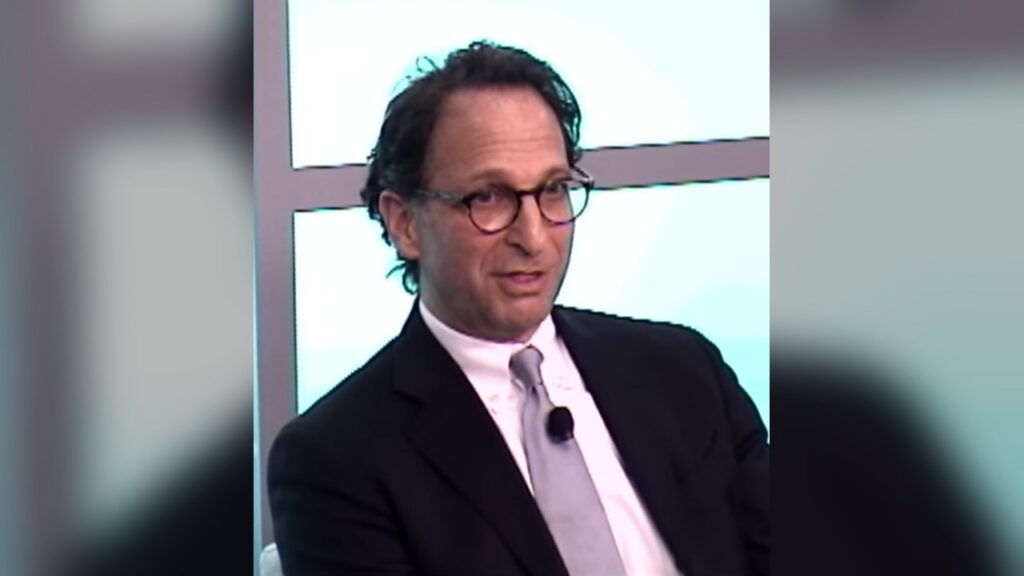 New America (CC BY 3.0) via Wikimedia Commons
What interests me, and what should interest anyone who has spent time in the literature on bureaucratic autonomy, is the pattern. Career prosecutors declining to sign their names to a politically motivated dismissal is not a scandal in the sensationalist sense. It is something more precise. It is the institutional immune system activating. The problem, of course, is that immune systems can be overwhelmed. When enough political appointees occupy enough decision-making nodes, the career staff’s refusal to participate becomes a procedural speed bump rather than a structural barrier. The case gets dismissed anyway. The contempt referral gets processed anyway. The vaccines get undermined anyway. Exit, in Hirschman’s framework, is the individual’s rational choice but the institution’s loss.
Weissmann, who has seen this machinery from the inside as lead prosecutor for Special Counsel Robert Mueller, frames the Fauci matter with particular care. His lawyers, he notes, may reasonably regard the congressional investigation as a perjury trap, which is a term of art and not a partisan talking point. A perjury trap is a real phenomenon in criminal law: a proceeding designed not to investigate underlying conduct but to manufacture false-statement charges through the sheer density and ambiguity of the questioning. That a congressional committee would construct one around an eighty-four-year-old immunologist tells you everything about the inquiry’s actual purpose. It is not oversight. It is theater with subpoena power.
 postalmuseum.si.edu (CC0) via Wikimedia Commons
The deeper question, the one that the political science literature on democratic backsliding has been raising since at least 2016, is what happens when the people who refuse to participate are simply replaced by people who will. The literature on competitive authoritarianism, particularly the work of Steven Levitsky and Daniel Ziblatt, is instructive here. Regimes that maintain the facade of democratic institutions while hollowing their substance do not typically seize courts or prosecutors’ offices in a single dramatic gesture. They staff them, incrementally, with loyalists. The career prosecutors who walked away from the bribery case dismissal did the honorable thing. But the case is still being dismissed. The honor is personal. The damage is institutional.
One is tempted to say this is unprecedented. It is not. It is, in fact, the precise scenario that the framers of the post-Watergate ethics infrastructure were attempting to prevent when they built firewalls between political appointees and career prosecutors. Those firewalls are now made of paper, and the administration has matches.
 NIAID (CC BY 2.0) via Wikimedia Commons