


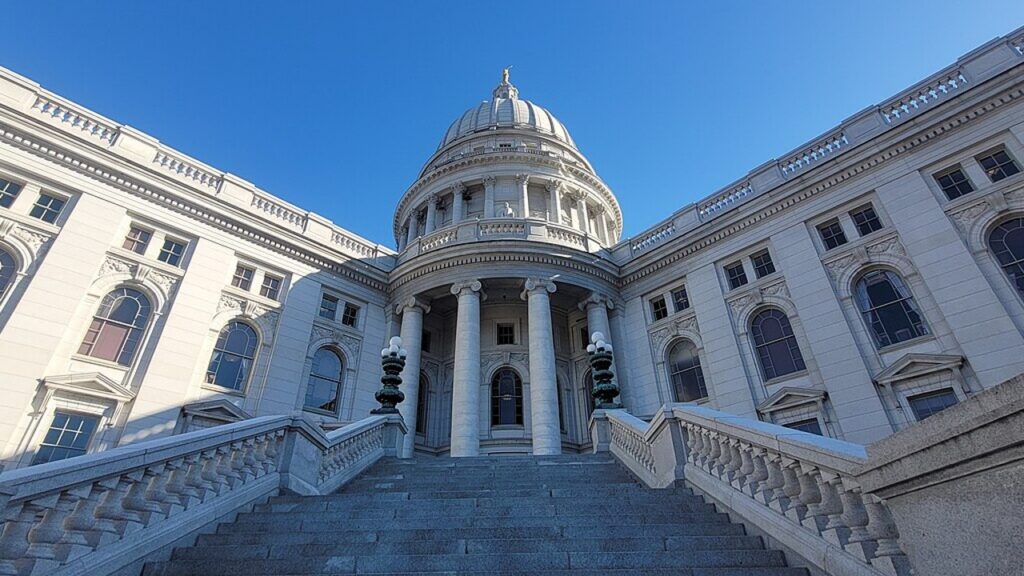
Francesca Hong spent months building something real. She organized. She talked to voters about universal childcare, about taxing the wealthy, about a moratorium on the data centers swallowing Wisconsin farmland. She polled at 44%. Thirty points ahead of the field. The people who actually show up to Democratic primaries wanted her.
And the party establishment could not stomach it.
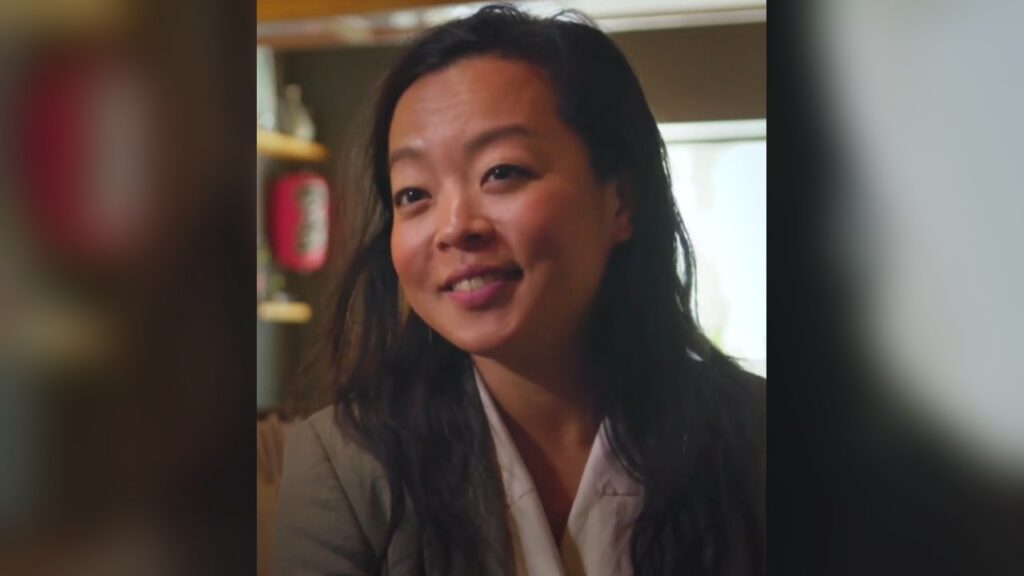 VOA Korea Service (Public domain) via Wikimedia Commons
David Crowley, the Milwaukee County Executive, dropped out of this race on July 8. He was polling in single digits. The voters had already rendered their verdict. Then Lt. Gov. Sara Rodriguez exited, Gov. Tony Evers swooped in, and Crowley reentered the race on July 17 like a man being handed a script he hadn’t written. Evers endorsed him. Evers joined him on the trail. Evers predicted Crowley would win the day before the election. And with 99% of precincts reporting, Crowley leads Hong by 3,311 votes out of more than 620,000 cast. Less than half a percentage point.
Let us be clear about what happened here. This is not a story about voters changing their minds. This is a story about power consolidating against a threat. Hong is a democratic socialist. She is backed by the DSA. She would have been the first DSA-backed gubernatorial nominee in the country’s history. Every single statewide poll, including one Crowley’s own campaign commissioned, had Hong winning by double digits. The party looked at a movement candidate with a commanding lead and decided that the base’s choice was unacceptable.
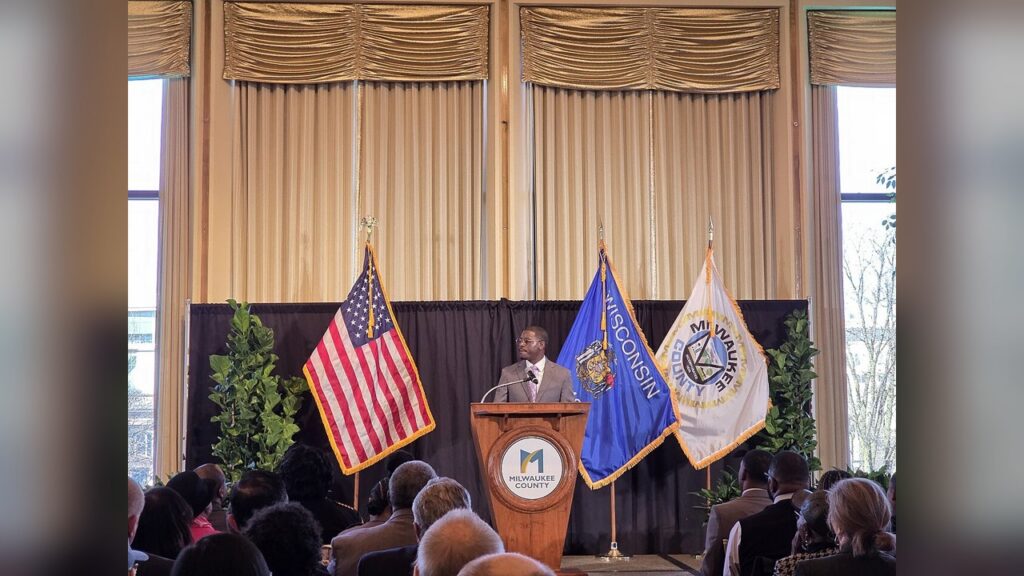 HarvestLife (CC BY-SA 4.0) via Wikimedia Commons
Evers and the operatives around him used the oldest weapon in the establishment arsenal: electability. They told voters that Crowley could beat Republican Tom Tiffany and Hong could not. Never mind that the same polling apparatus that showed Hong dominating the primary also showed her within striking distance of Tiffany in the general. The RealClearPolitics average had Tiffany leading Hong by 1.7 points, a margin that a motivated grassroots operation could erase. But “electability” was never really about November. It was about who controls the Democratic Party in Wisconsin. It was about making sure the person carrying the banner into the fall is someone who won’t rock the donor class’s boat.
Crowley’s own campaign manager said the quiet part out loud: “David is ready to get back to work, build a broad coalition.” A broad coalition. Translation: the same coalition that has held power in Wisconsin Democratic politics for a generation, the one that watched Republicans gerrymander the state into a pretzel and still insists on playing nice.
 SecretName101 (CC BY 4.0) via Wikimedia Commons
Hong addressed her supporters on election night. Crowley did not even speak at his own watch party. His staff confirmed he would not take the stage. Think about that for a moment. A man who reentered a race he had already quit, carried across the finish line by an outgoing governor’s machine, could not face the people who voted for him. Supporters trickled out of his party as the clock neared 1 a.m. That is what cowardice looks like when it wins.
The structural lesson here is not subtle. When the base organizes, when the base builds, when the base produces a candidate who commands genuine popular support, the establishment does not yield. It maneuvers. It recruits a dropout back into the race. It deploys a governor’s endorsement as a cudgel. It manufactures an electability argument that collapses under scrutiny but works just well enough to suppress a few thousand votes in the Milwaukee suburbs.
What must happen now is not despair. It is accountability. Evers endorsed a candidate who had already quit once. He used the prestige of his office to override the expressed will of his own party’s voters. That deserves a reckoning. And Hong’s movement, the thousands of people who knocked doors and made calls for a candidate who talked about childcare and data centers and taxing the rich, does not evaporate because the margin was 3,311 votes. It grows. It holds the line. It runs for every seat on the ballot. The machine won this round by a fraction of a point. The movement is the one with the people.