


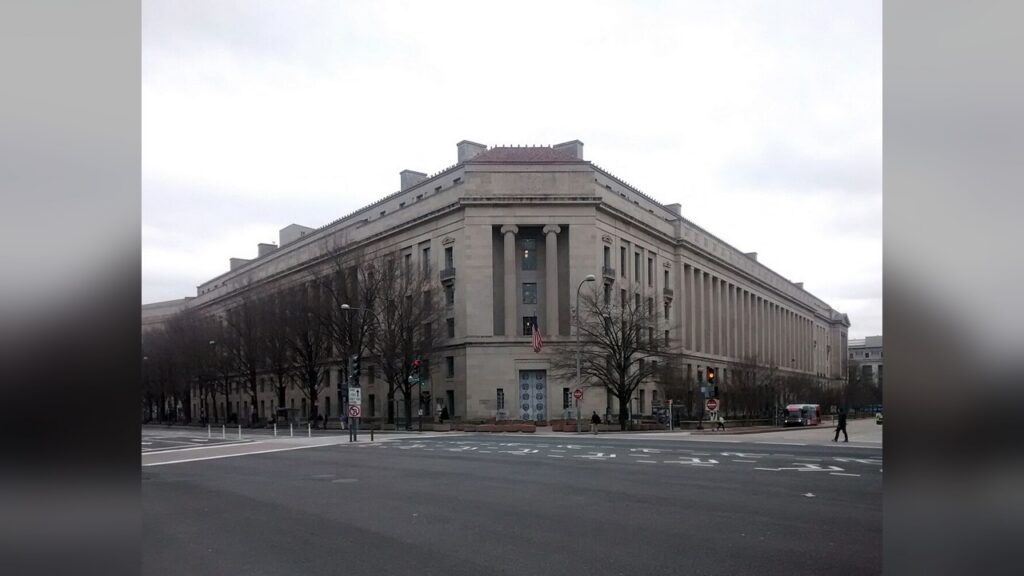
Funny how these things always come in pairs. One hand locks the door, the other gags the witness, and nobody in the press briefing room bothers to mention both are happening at the same time.
Last week the Justice Department’s Office of Legal Counsel dropped a memo, signed by Attorney General T. Elliot Gaiser, that hands President Trump the kind of secrecy powers that would make a Cold War intelligence agency blush. The memo says executive privilege now covers Trump’s communications with “private advisers,” which the document defines so broadly it could mean your dentist if the president asked him about fluoride policy. “Anyone the President consults outside the Executive Branch,” the memo says. Members of the public. State officials. Employees of other branches. That’s not a privilege. That’s a tarp thrown over the entire government.
And here’s the part the talking heads glossed over: the advisers themselves can shield their communications with private citizens. So some billionaire who’s been whispering in the president’s ear about, say, regulatory policy that happens to benefit his own portfolio? His calls with you and me are now privileged too. Ask yourself who benefits from that arrangement. It ain’t you.
 DHSgov (Public domain) via Wikimedia Commons
Trump tried this before, you’ll recall. First term, he went after the White House visitor logs, tried to claim privilege over who was walking through the front door. The courts swatted him down. He tried it again during the January 6 proceedings. Same story. But this time his DOJ isn’t waiting for a court fight. They’re writing the rules in advance, handing him the legal cover before anyone even asks the question.
Now flip the coin. Because while one DOJ office was busy building Trump a cone of silence, Attorney General Pam Bondi was across town dismantling the rules that kept federal prosecutors from dragging journalists into leak investigations. On April 25, Bondi issued a memo rescinding the protections former AG Merrick Garland put in place in 2021, the ones that created a bright-line rule barring compulsory process against journalists doing their jobs. The revised regulation, published May 1, reverts to the old balancing test, where DOJ weighs its own law enforcement interests against press freedom and, shocker, usually decides its interests win.
The Reporters Committee for Freedom of the Press laid it out plainly: the rescission gives DOJ “greater powers to hunt for leakers of both classified and unclassified information, including through the use of investigative authorities to demand sensitive records from or of journalists.” Bondi’s own memo calls unauthorized disclosures that “undermine President Trump’s policies” something the department “will not tolerate.” Not national security secrets. Not troop movements. Disclosures that undermine policy. That’s a category wide enough to drive a subpoena factory through.
 Tim Gouw / Pexels
So let me connect the dots. One memo lets the president hide who he’s talking to. The other lets his Justice Department go after anyone who tries to tell you about it. The door locks from the inside, and the windows are getting boarded up. And the people doing the locking are the same career lawyers and political appointees who’ve been running that building since before Trump got there and will be running it long after he leaves.
This isn’t about Trump. Trump’s just the guy sitting in the chair right now. It’s about the chair. The swamp doesn’t care who occupies it. It cares about what the chair can do. And every four to eight years, regardless of party, the chair gets a little more power and you get a little less.
Funny how that works.